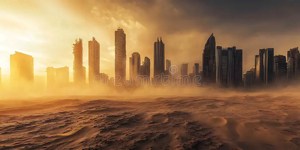
People sometimes tell me they avoid apocalyptic fiction because it feels too heavy. I understand that. The world already serves up more than enough real-world anxiety. Yet the survival stories that stay with me do something surprising — they leave me more hopeful, not less.
Compassion in the Wasteland
When characters in the Time Forward universe scrape through toxic wastelands, malfunctioning space stations, and timelines that want them dead, they don’t survive because they feel invincible. They persist because they decide others matter more than their fear. That decision threads hope through every bleak scene — and it’s the reason post-apocalyptic sci-fi resonates so deeply with readers, even those who say they shy away from dark fiction.
Why We Connect With Survival Stories
I believe we respond to those story arcs because they mirror something true about us. We’ve all bent without breaking. We’ve all carried losses and somehow learned to laugh again. Dystopian fiction, time travel, and post-apocalyptic science fiction aren’t really about the end of the world — they’re about what’s worth saving in it.
The best apocalyptic survival stories — from classic dystopian novels to modern speculative fiction — hold up a mirror to human resilience. When you watch characters choose compassion in the rubble, you’re reminded that compassion is renewable. It can outlive catastrophe. That’s exactly why I write apocalypse fiction and science fiction — and why I believe this genre deserves a place on every bookshelf, not just the shelves of diehard genre fans.
The Hope Hidden in Dark Sci-Fi
There’s a quiet argument buried in every survival story: You are tougher than you think. The reader experiences it vicariously through characters who face civilizational collapse, AI-driven dystopias, alien invasions, and fractured timelines — and still choose kindness over surrender. That’s not nihilism. That’s one of the most hopeful statements literature can make.
If you’ve been hesitant to try post-apocalyptic fiction or sci-fi survival stories because they seem grim, I’d invite you to reconsider. The darkness in this genre isn’t the destination — it’s the canvas.
When you close a “dark” story, do you feel weighed down — or does some part of you feel strangely encouraged? Drop your answer in the comments. I’d love to know which survival story left you feeling surprisingly hopeful.
— J.L. Yarrow, author of the Time Forward Trilogy (Kairos Entertainment)